AIWG Autumn School provides international and European perspectives
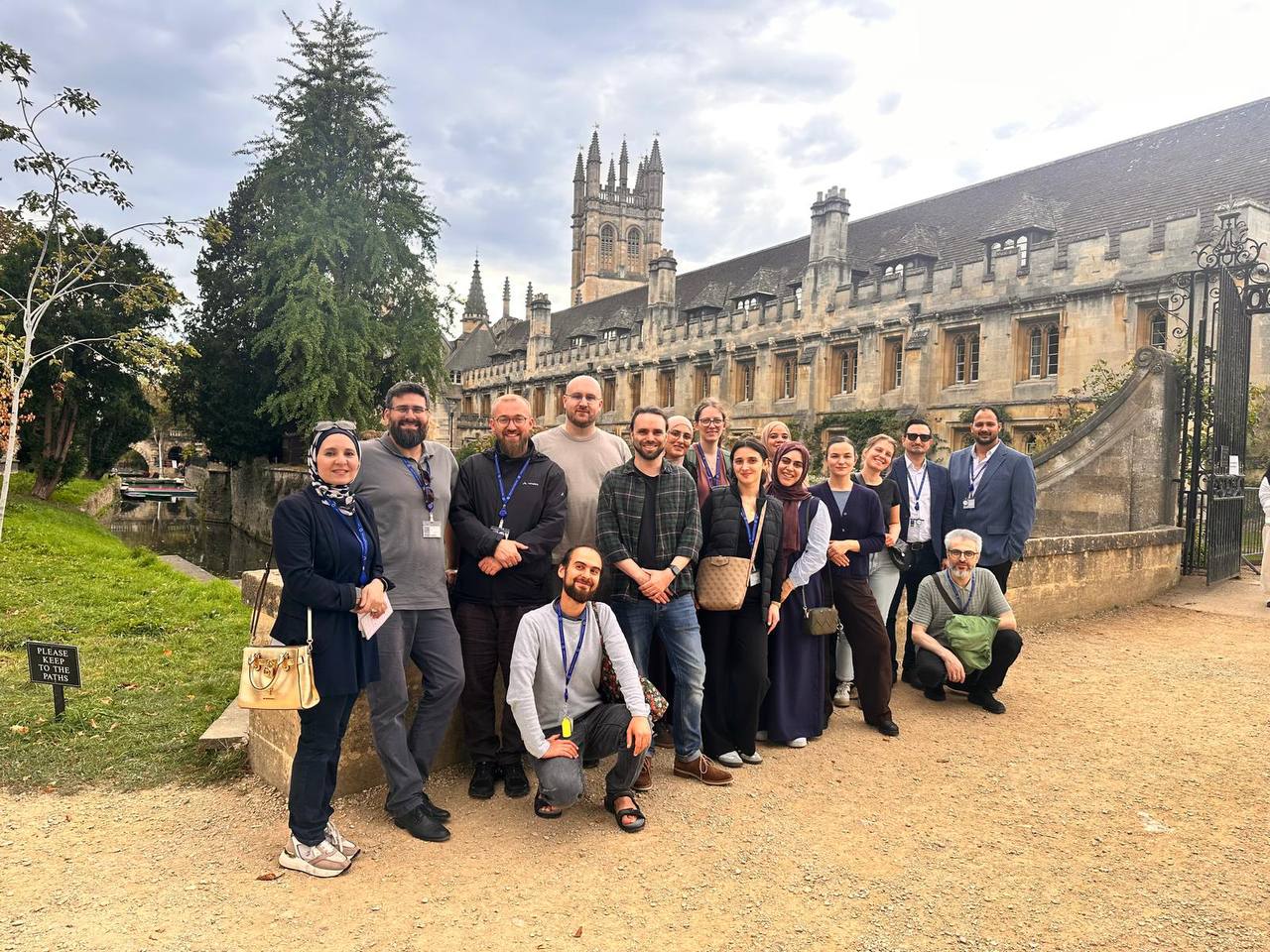
From 29 September to 2 October 2026, participants of the AIWG programme for early-career researchers from eight German universities attended an Autumn School at the Oxford Centre for Islamic Studies (OCIS). The programme included insights into the life and history of British Muslim communities, international perspectives on issues in Islamic theological studies, differences in academic cultures, as well as career paths in British and German academia. The Autumn School offered early-career researchers a wide range of opportunities to connect with one another and with international scholars.
Hosted by OCIS, the Autumn School took place in a special setting. At OCIS, Oxford’s long academic tradition meets the Islamic heritage in education and scholarship. Established in 1985, the centre unites leading scholars across various disciplines and countries. The centre creates an inspiring environment for dialogue between different disciplines, institutions and academic traditions.
The programme started on Monday with a visit to the Institute for Ismaili Studies and SOAS University of London, where the participants were warmly welcomed and offered a first look at the British research landscape.
Diverse insights into research, teaching and academic career paths
In Oxford, from Tuesday to Friday, the group took part in a varied programme of lectures, workshops and discussions with leading scholars from different disciplines, who all focus on issues related to Islam. A team of four AIWG members led the Autumn School. A cultural programme complemented the academic content.
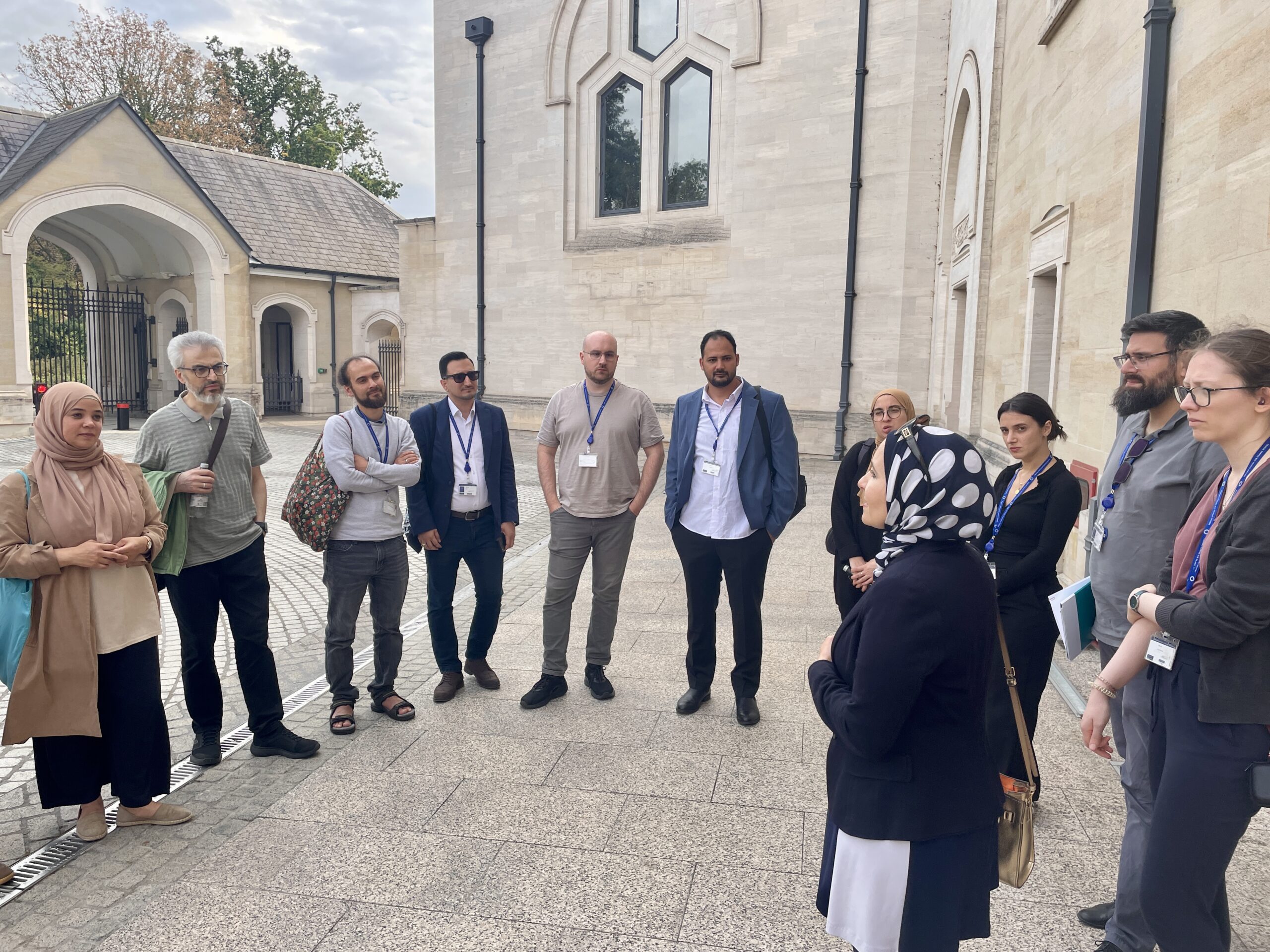
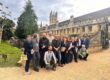
Guided tour around the OCIS led by Dr Raida Chbib
The academic programme explored Muslim life and Islamic scholarship in the United Kingdom from historical, contemporary and practical perspectives. Following a short welcome from the academic director of OCIS, Prof Dr Shahid Jameel, Prof Dr Nicolai Sinai, Professor of Islamic Studies at the Faculty of Asian and Middle Eastern Studies at the University of Oxford, explained how research and teaching are organised in terms of structure and content within the Oxford system.
Prof Dr Frank Griffel, Professor of Studies of Abrahamic Religions at the University of Oxford and Fellow at Lady Margaret Hall, discussed texts on Islamic ethics with the participants, focusing on the intersection between faith and philosophy. Dr Mohammed Ali Allehbi, research fellow at OCIS, subsequently outlined how the concept of siyāsa in pre-modern Islamic law contributed to the legitimisation of state authority and legislation.
Prof Dr Sariya Cheruvallil-Contractor, Professor of the Sociology of Islam at Coventry University’s Research Centre for Peace and Security, traced the historical development of Muslim communities and their educational institutions. Her overview extended from the early days in the 19th century, through the period of the two world wars, to the profound changes brought about by immigration in the second half of the 20th century.
Dr Asma Mustafa, a Research Fellow at OCIS and a Senior Research Fellow at the University of Oxford, gave a sociological account of the present-day situation of Muslims in the United Kingdom and addressed the public discourse within wider society.
Finally, Dr Hafza Iqbal, Course Leader for Islam and Pastoral Care at the Markfield Institute of Higher Education, took a practical approach. She spoke about the need for Muslim chaplaincy, the training of chaplains and their work at the interface between Muslim communities and public institutions such as prisons. In addition, Ibrahim Amin, Imam at OCIS and university chaplain at the University of Oxford, shared insights into his pastoral work with students.
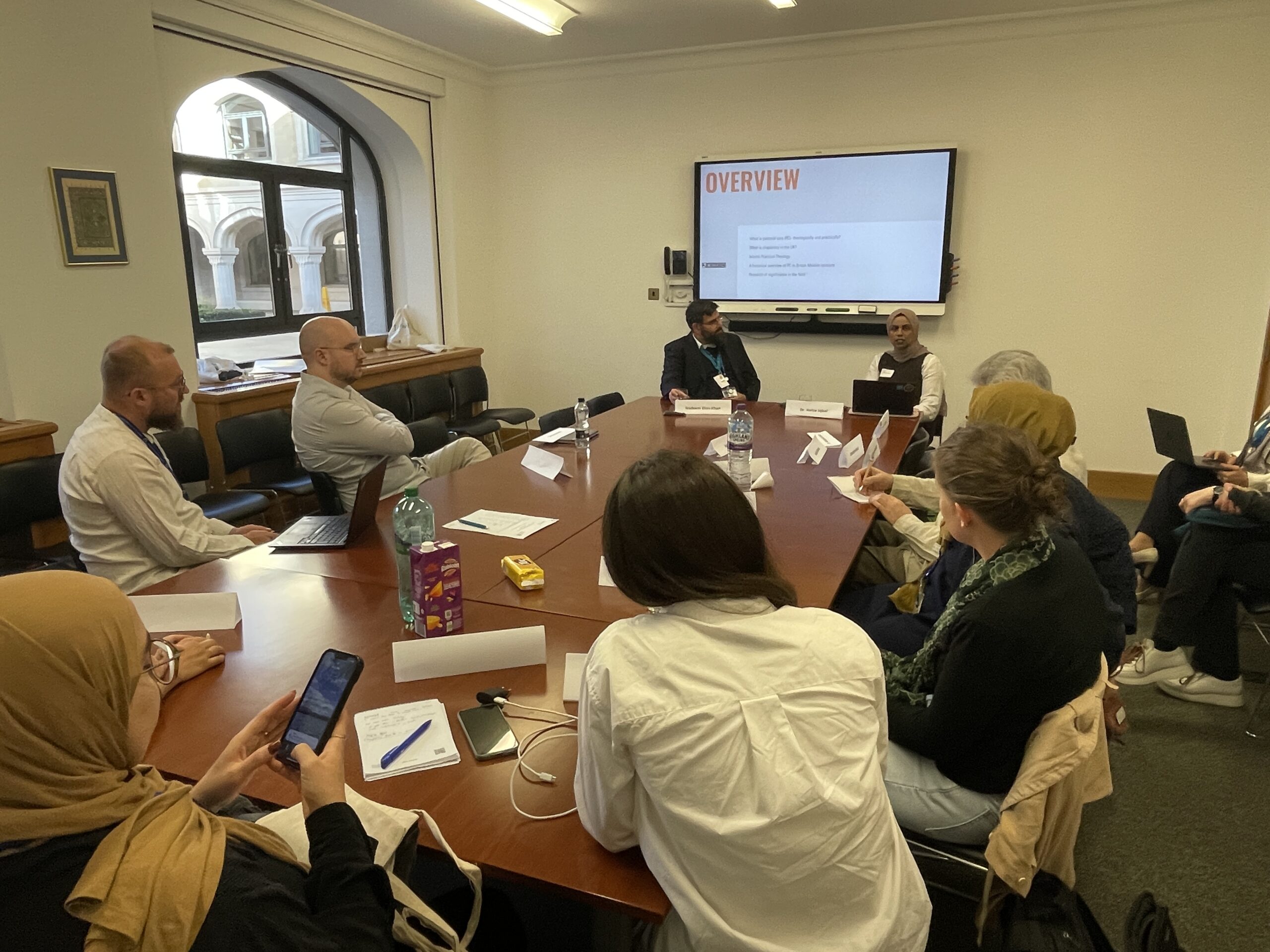
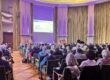
Workshop with Dr Hafza Iqbal on Muslim chaplaincy in the UK
Inspiring walks through historic Oxford
The exchange continued beyond the seminars. Guided tours of the various departments at OCIS and of the prestigious Magdalen College, a city tour around Oxford, and visits to Pitt Rivers Museum and Oxford Central Mosque provided opportunities to explore Oxford beyond the academic impulses of the official programme.
The Autumn School demonstrated the importance of spaces in which early-career researchers can discuss current research questions, exchange experiences and develop new perspectives for Islamic theological studies. The AIWG would like to thank the hosts at the Oxford Centre for Islamic Studies, all the speakers and contributors, the dedicated participants for an enlightening week. The Autumn School is part of the AIWG programme for early-career researchers, funded by the German Federal Ministry of Research, Technology and Space (BMFTR).
About the AIWG programme for early-career researchers
The AIWG programme for early-career researchers runs from May 2026 to June 2027. It offers early-career researchers in the field of Islamic Theology/Islamic Studies the opportunity to develop their academic careers and to create networks. The programme combines subject-specific and practice-oriented activities, interdisciplinary exchange and insights into research impact and knowledge transfer. The aim is to strengthen the participants’ academic profiles, to support them in strategic career planning and to create sustainable professional networking structures within the discipline.